HIDDEN IN THE MIST: UMS SCIENTISTS DISCOVER GECKO SPECIES NEW TO SCIENCE IN SABAH'S CROCKER RANGE
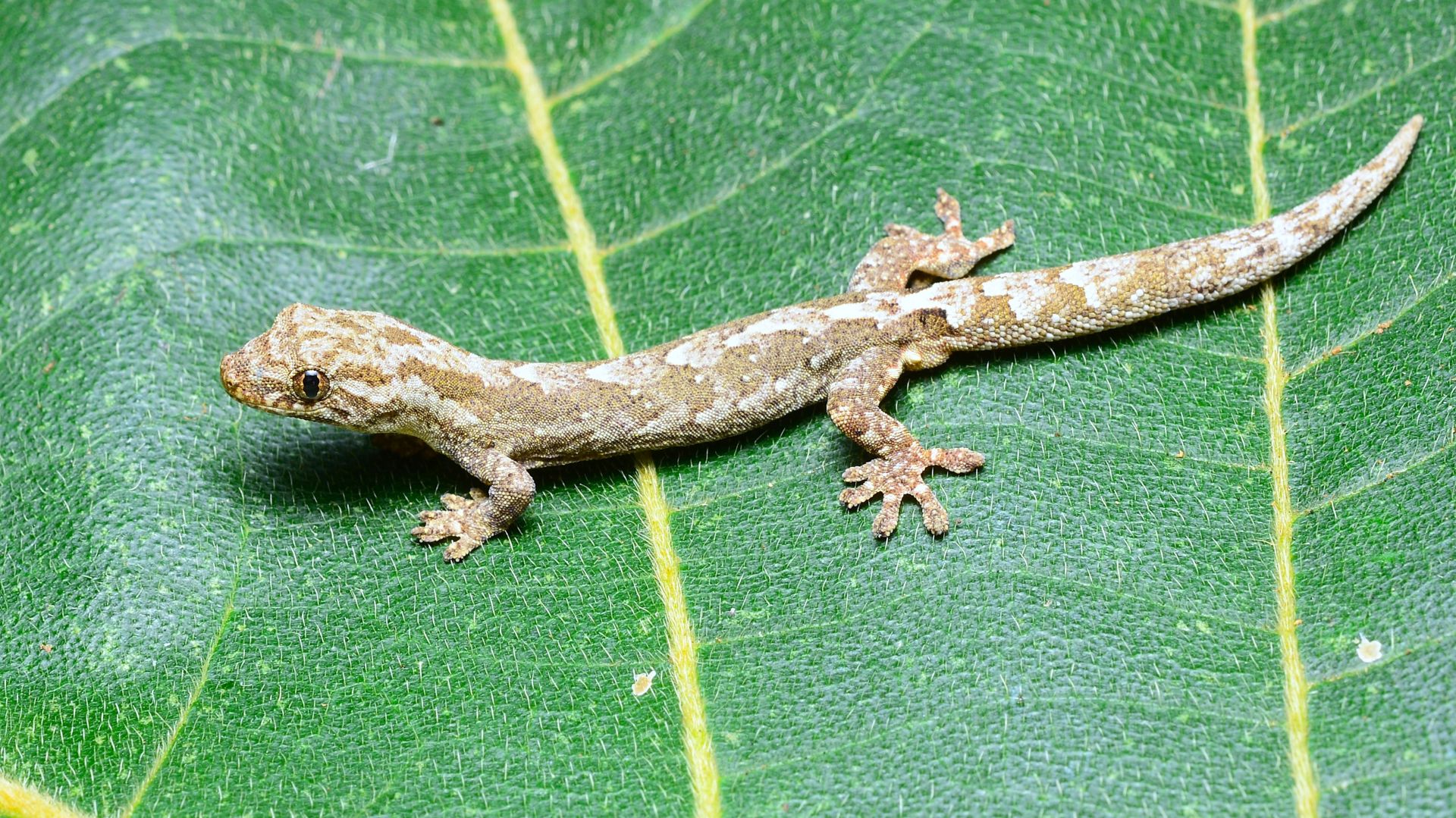
Fig.1_Lepidodactylus crockerensis_Evan Quah
Newly named Lepidodactylus crockerensis reveals that even in one of Sabah's best-known mountain landscapes, nature is still keeping secrets.
KOTA KINABALU: 24 Sept 2026 - High in the cool, mist-shrouded mountains of Sabah, a small gecko had been living almost unnoticed on the walls and eaves of buildings at Gunung Alab. To most people, it might have looked like an ordinary house gecko. To scientists from Universiti Malaysia Sabah (UMS), however, it told a very different story.
Detailed genetic and morphological investigations have confirmed that the animal is a species previously unknown to science. The newly discovered species was formally named Lepidodactylus crockerensis, the Crocker Range Mourning Gecko, after the Crocker Range where it was discovered.
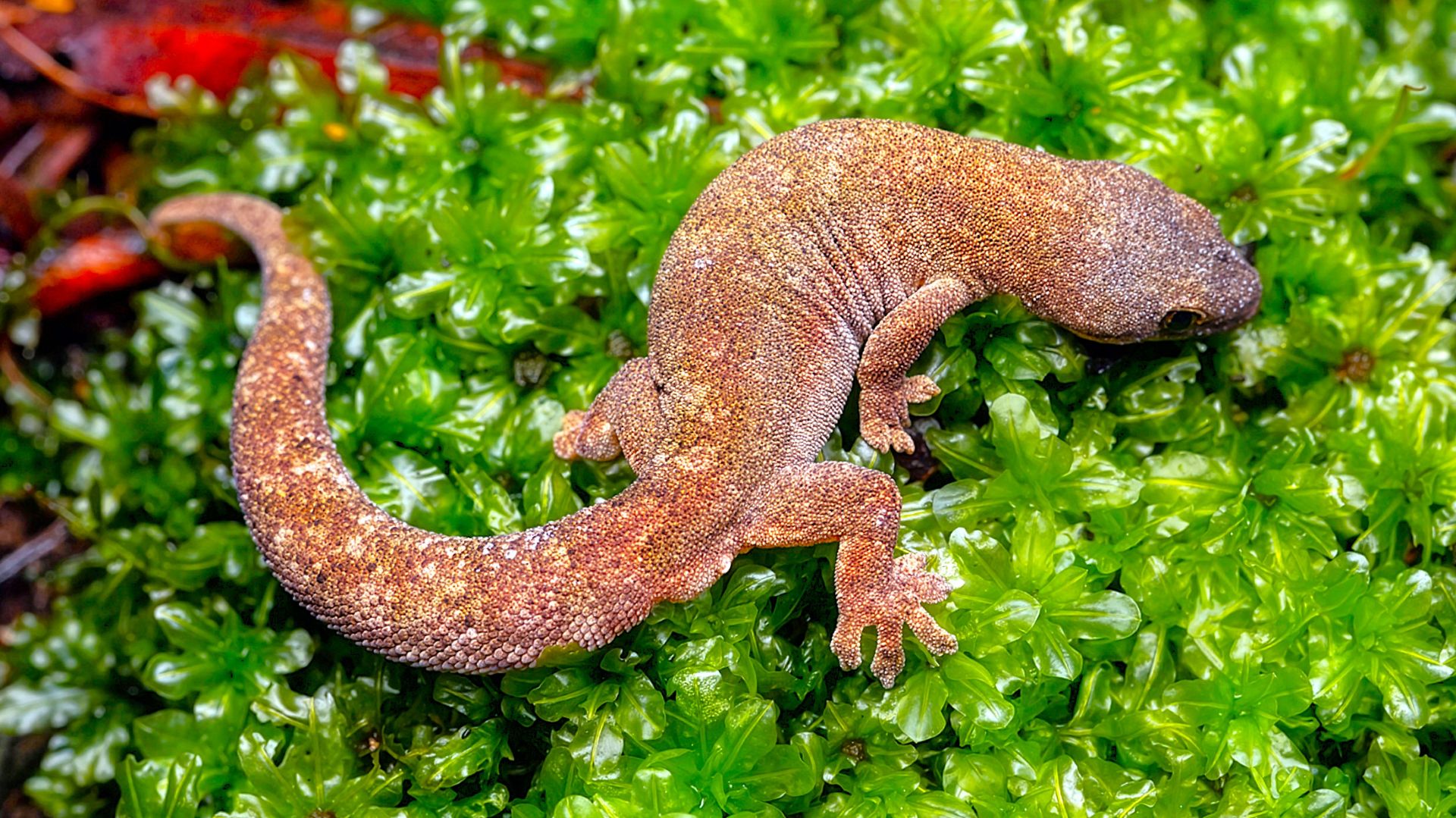
Fig.2_Lepidodactylus ranauensis_Jamiun Michael
The species was described by a team led by Assoc. Prof. Dr. Evan S.H. Quah, a herpetologist from the Institute for Tropical Biology and Conservation (ITBC), UMS, together with Aderina Dukit (Monash University), Fred Y.Y. Tuh (Sabah Parks) and L. Lee Grismer (La Sierra University). Their scientific paper was published on 22 September 2026 in the international taxonomic journal Zootaxa.
A tiny discovery with a big scientific story
The story began at Gunung Alab in Crocker Range Park. The holotype, the specimen upon which the new species is formally based was collected by Quah in the old Rhododendron Hut on 23 August 2025, at an elevation of 1,909 metres above sea level. Two additional male specimens form part of the type series.
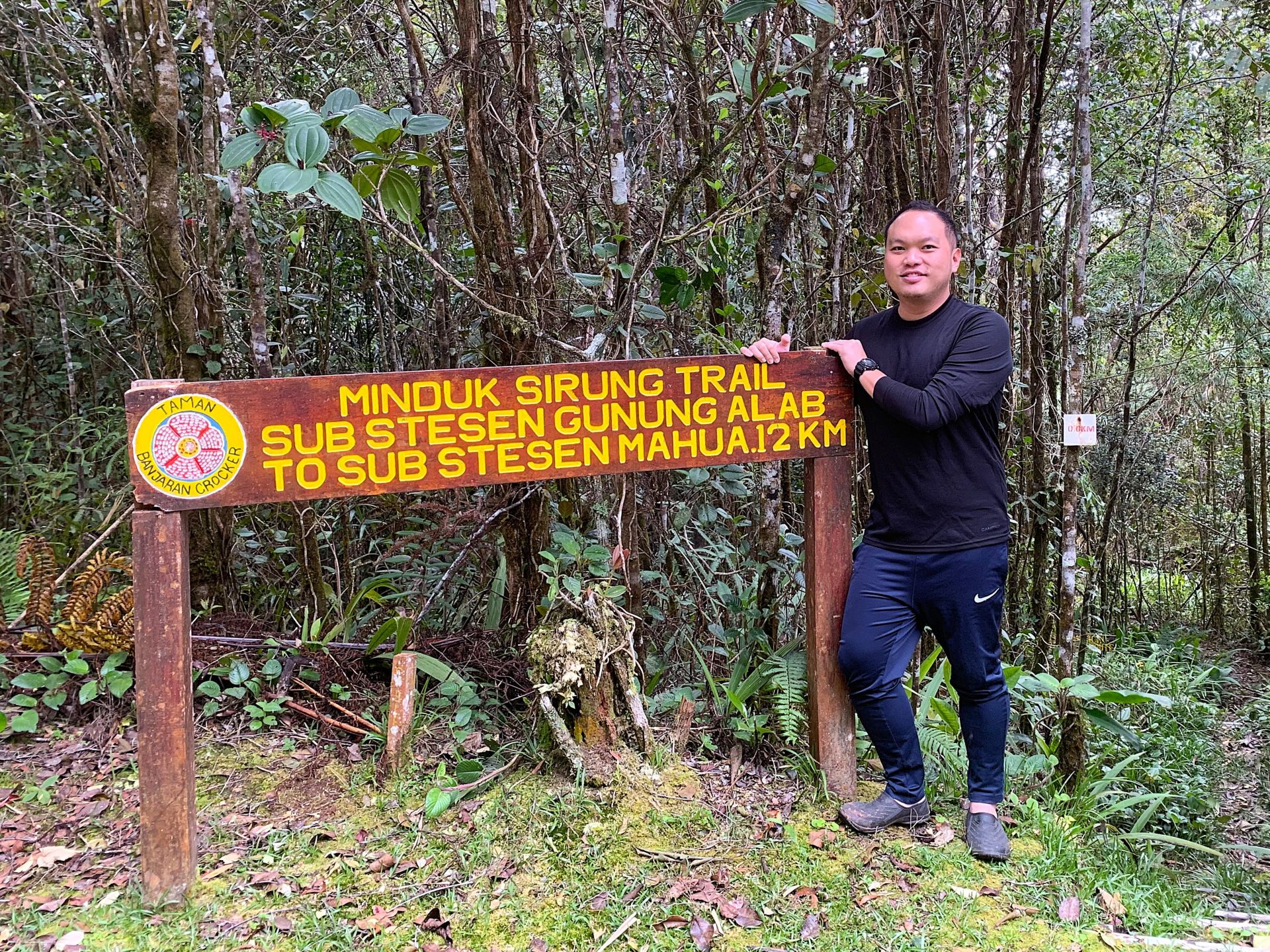
Fig.3_AP Dr. Evan Quah conducting fieldwork at Gunung Alab
The geckos were encountered at night in cool, misty conditions, with ambient temperatures between 14°C and 16°C. Individuals were found in the old Rhododendron Hut and were also observed on the walls and roof eaves of nearby buildings, where they are presumed to feed on insects attracted to lights.
But identifying them was not straightforward. The Gunung Alab gecko closely resembles Lepidodactylus ranauensis, another Bornean endemic associated with Mount Kinabalu. Science revealed what appearances alone could not.
Genetic analyses showed that the Gunung Alab population forms its own strongly supported evolutionary lineage. The new species differs genetically from L. ranauensis and shows statistically significant differences in morphology and scalation. The two occur in separate mountain ranges approximately 36 kilometres apart, with unsuitable lowland habitats between them.